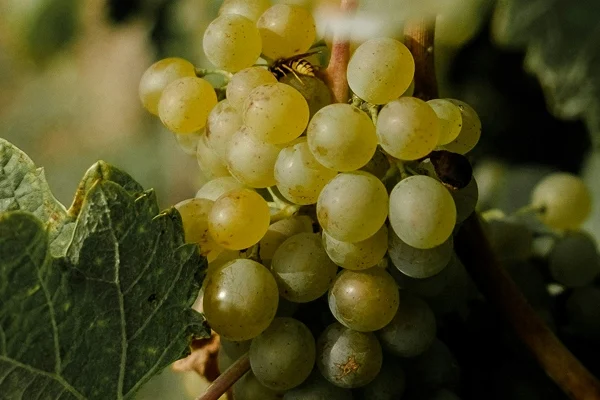
Based on our double materiality assessment four environmental topics have been identified as key areas of impact and responsibility for Viva Wine Group: Climate change, water, biodiversity, circular packaging. As we do not operate our own production, our focus lies on engaging in dialogue with suppliers and contributing to positive development.
Our impact and how we are affected

E1 Climate change
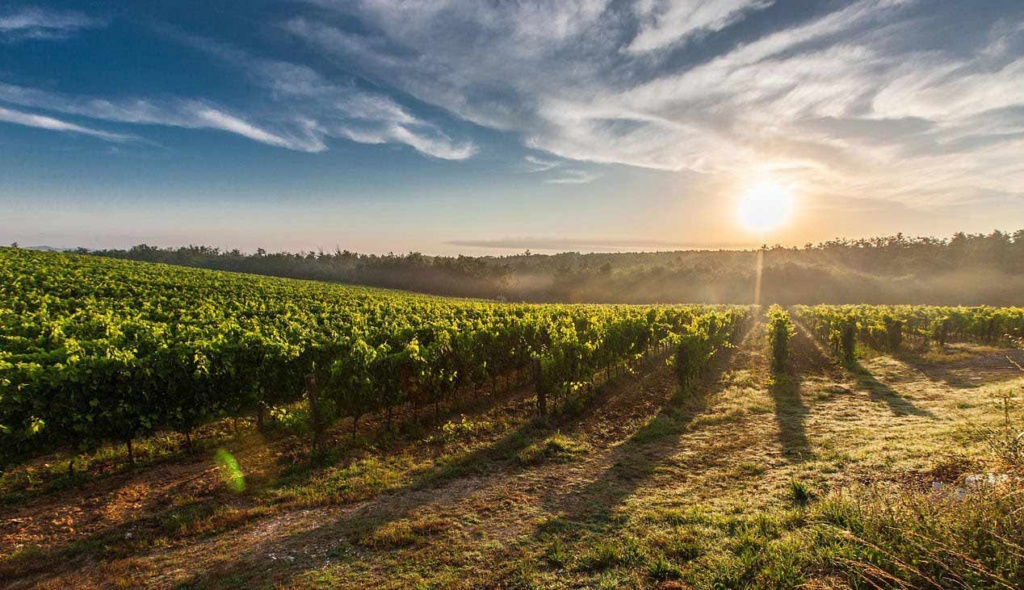
Viva Wine Group’s operations primarily impact the climate through emissions from viticulture, production, packaging, and transportation. At the same time, the Group is exposed to the effects of climate change, as frost, flooding, drought, and heatwaves can influence both the quality and volume of grape harvests, potentially affecting delivery reliability and costs.
The Group continously contribute to the shift towards lower-emission viticulture & production, transport and packaging. The Group sees an opertunity to reduce operating costs and strengthen the Group’s ability to achieve its climate and sustainability targets.

E3 Water
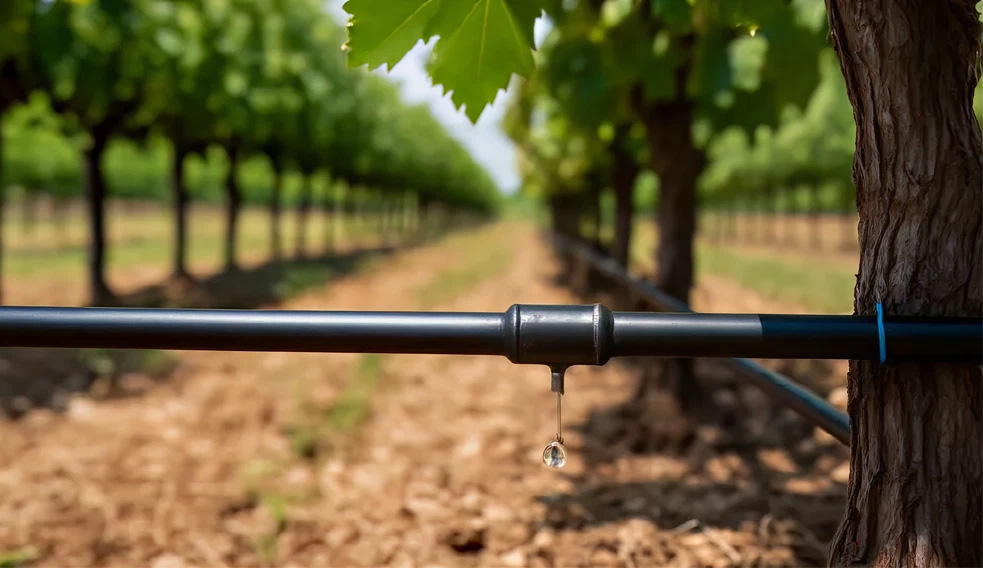
Wine production depends on access to water, making prolonged drought a significant risk factor that may lead to irrigation challenges and harvest instability. Water scarcity can result in higher production costs and reduced access to raw materials, while cultivation in water-stressed areas may place additional pressure on local resources. In addition, water used in production may contain pollutants that can negatively affect nearby waterways and ecosystems.
The Group promotes responsible water management to mitigate risks and support sustainable wine production.
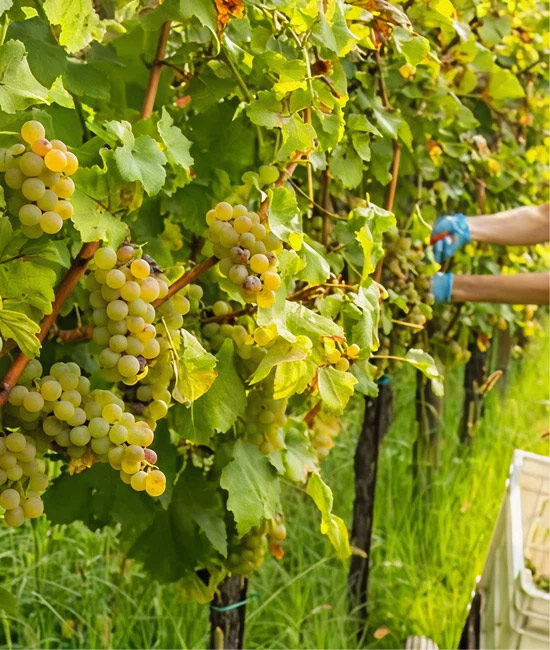

E4 Biodiversity & ecosystems
Viticulture has a direct impact on soil health and biodiversity, both of which are essential for functioning ecosystems and the long-term sustainability of wine production. The use of pesticides and land conversion during cultivation can lead to biodiversity loss and soil degradation, which in turn may reduce resilience to pests and increase the risk of soil depletion. Furthermore, declining pollinator populations and ongoing soil degradation pose significant risks to ecosystem stability and long-term agricultural productivity.
The Group promotes responsible viticulture practices to mitigate risks and support sustainable wine production, for example by encouraging organic and other environmental certifications.

E5 Resource use & circular economy
Packaging constitutes a significant share of Viva Wine Group’s climate impact, accounting for approximately a fourth of the Group’s total GHG emissions. Stricter regulations and evolving consumer expectations are driving the need for more circular and resource-efficient solutions.
This is particularly important in the wine industry, where heavy glass bottles and other resource-intensive materials have a significantly higher environmental impact.
The Group engages in the transition to low emission packaging by increasing the share of lightweight glass, PET and paper-based packaging.